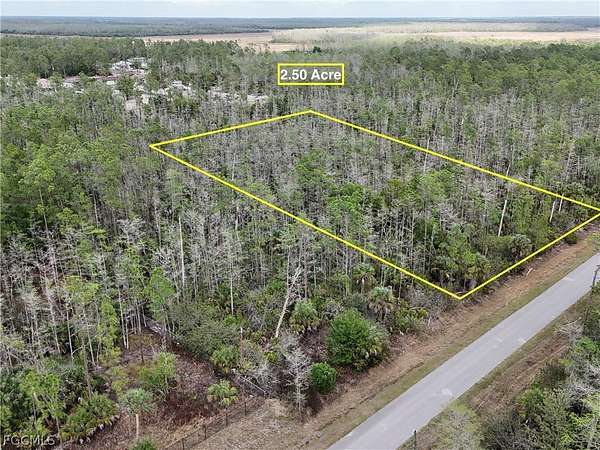
Define Your Requirements
Start by identifying things you need in a plot. Consider the size of the land, your budget, and the type of house you need to build. Think about the number of rooms you'll need, whether you'll need a garden, and when you plan to expand in the future. These factors can help you determine the optimal plot size and layout.
Choose the Right Location
Location is probably the most critical factors when buying land. Look for areas with good infrastructure, including access to roads, schools, hospitals, and shopping malls. A well-connected location adds convenience and boosts the value of your home over time. Also take into account the neighborhood, safety, and future development plans in your neighborhood.
Check Legal Documentation
Before purchasing any land, verify the property has clear legal ownership. Ensure that all documents are valid and that there are no disputes or encumbrances. It’s strongly recommended to consult the best expert or real-estate professional to examine the paperwork and prevent future problems.
Evaluate Soil and Land Quality
The condition from the land plays a major role in construction. Conduct a soil test to determine if the ground is suitable for constructing a strong foundation. Poor soil quality can lead to structural issues and additional construction costs. Also pay attention to drainage, slope, and flood risks.
Check Utilities and Infrastructure
Make sure the land has use of essential utilities including water, electricity, sewage, and internet connectivity. Lack of infrastructure can increase development costs and delay your construction plans. A plot with ready entry to utilities is always a better choice.
Set a Budget and Compare Prices
Land prices vary based on location, size, and demand. Set a specific budget before starting searching and compare multiple options. Don’t rush into buying the first plot you see—take time for you to evaluate different properties to ensure you get the very best value to your money.
Consider Future Growth Potential
Buying land is not only about the present—it’s also in regards to the future. Look for areas with upcoming developments, like new roads, commercial centers, or schools. These improvements can significantly increase the value of your land with time.
Work with Trusted Professionals
Real estate agents and property consultants can assist you find suitable land and make suggestions through the process. Trusted platforms and real estate property services, such as Zillow, can also help you explore listings and compare properties.
Inspect the Land Personally
Always visit the land in person before making a decision. Check the surroundings, access roads, and nearby facilities. Photos and online listings may not always give a complete picture, so a physical visit is essential.
Buying the very best land for the house requires careful planning, research, and patience. By concentrating on location, legal clarity, infrastructure, and future potential, you may make a confident investment that supports your dream home and secures your future.